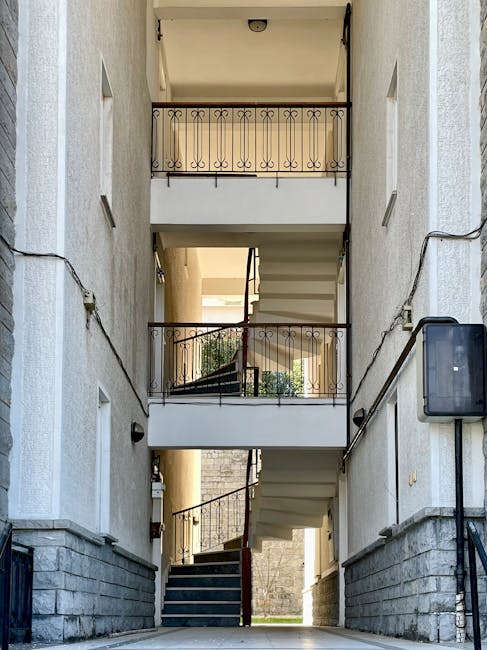
Staircase & Narrow-Entrance Moves in Kenley: What Works
Staircases that turn too sharply, hallways that seem to shrink once a sofa arrives, and front doors that feel two inches too tight - if you have ever moved in Kenley, you will know the feeling. Staircase & Narrow-Entrance Moves in Kenley: What Works is really about one thing: making awkward access feel manageable, safe, and calm instead of chaotic.
The good news? With the right prep, the right lifting method, and a realistic plan for the building itself, these moves are far less dramatic than they first appear. This guide breaks down what actually helps, what causes headaches, and how to make smart decisions before anyone starts carrying a wardrobe up the stairs at a weird angle. Because let's face it, nobody wants the "this will never fit" moment halfway through the move.
Whether you are moving furniture into a flat, shifting a heavy bed frame, or planning a full house move with tight access, this article gives you practical, local, and genuinely useful guidance. You will also find a checklist, a comparison table, and a few pointers on when specialist help is worth it.
Why Staircase & Narrow-Entrance Moves in Kenley: What Works Matters
Access is often the part of a move people underestimate. A property might look simple on paper, but then you arrive and discover a tight stairwell, a low ceiling, an awkward landing, or a doorway that turns a standard-size sofa into an engineering problem. In Kenley, that can happen in flats, maisonettes, older homes, converted properties, and even newer homes where internal layouts are simply not generous.
What works matters because bad access planning usually creates four problems at once: delay, damage risk, stress, and extra handling. One awkward turn can add a lot of time. One rushed lift can damage plaster, banisters, the item itself, or someone's back. And yes, a move can go from steady to fraught very quickly if access is assumed instead of checked.
There is also a local angle. Kenley moves can involve roadside parking considerations, narrow streets, and properties where vehicle positioning affects the entire load-in. That is why it helps to think about the full chain: parking, approach route, door width, stair angle, landing space, and the item dimensions. If one link fails, the whole job becomes harder.
Key point: staircase and narrow-entrance moves are rarely about brute force. They are about preparation, sequencing, and careful handling. Strength helps, of course, but control wins.
How Staircase & Narrow-Entrance Moves in Kenley: What Works Works
At its simplest, a successful access-challenged move works by breaking one difficult task into smaller, safer decisions. Instead of trying to "get it through somehow," experienced movers assess the route, reduce the item's bulk where possible, protect the property, and choose the best angle for each stage.
The process usually looks like this:
- Measure the item and the route. Width, height, depth, diagonal length, and any fixed protrusions matter more than people think.
- Check the turning points. A straight hallway is one thing; a staircase with a turn or split landing is another altogether.
- Decide what can be dismantled. Table legs, bed frames, handles, mirrors, and removable shelves can transform the job.
- Protect the environment. Floor runners, corner protection, blankets, and door guards reduce scrapes and knock marks.
- Plan the carrying method. Two-person carries, tilts, pivots, side-on movement, and controlled pauses all help.
- Rehearse the route mentally. Sounds odd, but thinking through the turn before lifting saves a surprising amount of trouble.
A useful distinction: narrow entrance does not only mean the front door itself. It can also mean an entry hallway that immediately bends, a stairwell with limited headroom, or a communal landing where you can't fully rotate the item. The entrance is the whole access path, not just the doorway.
If you are dealing with delicate or especially heavy items, specialist content such as why piano moving demands professional expertise and precision is a good reminder that certain objects require more than standard handling. Likewise, the principles behind kinetic lifting and safer moving techniques often make the difference between a controlled carry and a wobbling, stressful one.
Key Benefits and Practical Advantages
When staircase and narrow-entrance moves are handled properly, you get more than just a piece of furniture into the building. You get a cleaner, calmer move overall.
- Less property damage. Carefully planned handling protects walls, bannisters, frames, and flooring.
- Lower injury risk. Good lifts and clear communication are much safer than improvising on the stairs.
- Faster completion. Planning the route in advance avoids repeated stops and awkward backtracking.
- Better protection for furniture. Items are less likely to get scuffed, twisted, or trapped at an angle.
- Reduced stress on moving day. You do not have that horrible feeling of trying to force the impossible.
- More accurate scheduling. If access is known early, the move can be timed realistically instead of optimistically.
There is also a practical money angle, even if nobody likes thinking about it. A move that is planned well usually avoids avoidable delays, which can reduce the chance of extra labour time or a return trip. And if you are comparing options, it helps to look at pricing and quotes with access in mind rather than just item count.
One more thing: a careful access plan also helps if your move is linked to a flat, student, or shared property. For those situations, flat removals in Kenley often depend on the same mix of route planning, lifting control, and timing.
Who This Is For and When It Makes Sense
This kind of move makes sense for anyone dealing with awkward access, but some people benefit more than others. If your home has a tight staircase or a narrow doorway, you are already in the right category. The trick is knowing what level of help the job needs.
You are likely to need this approach if you are:
- moving into or out of a flat with shared stairs
- handling bulky furniture like wardrobes, sofas, bookcases, or bed bases
- moving in an older Kenley property with narrow internal access
- dealing with a sharp turn at the top or bottom of the stairs
- trying to protect a freshly decorated hallway
- working to a time window and need the job to go smoothly first time
It is also relevant for students, renters, and small businesses. A desk, filing cabinet, or display item can be deceptively awkward if there is a tight turn or a low lintel. The same is true for anyone moving on short notice. In those cases, a service like same-day removals in Kenley can be helpful when plans change suddenly. For smaller or mixed loads, man and van Kenley options are often considered because they can be flexible without being overkill.
If the property is a new place and you are still making it feel liveable, you might also find useful ideas in guides such as creating a packing plan for your house move and decluttering before you move. Fewer items usually means fewer awkward items. Simple, but true.
Step-by-Step Guidance
Here is the part most people want: what actually to do. Not theory. The real sequence.
1) Measure before you touch anything
Measure the furniture or appliance, then measure the route. Doorframe width, stair width, landing depth, ceiling height, and any awkward bends all matter. If an item needs to travel diagonally, the diagonal measurement becomes important too. That is often the secret.
2) Clear the route properly
Take away shoes, bags, mats, loose cables, plant pots, and anything that can catch a toe or snag an edge. In narrow homes, even one stray item can force an unnecessary shuffle. It sounds minor. It isn't, really.
3) Decide whether dismantling is worth it
Some items should be partially dismantled rather than forced through whole. Beds, wardrobes, dining tables, and some shelving units often move more safely in pieces. If you are moving mattresses or bed components, the practical advice in this bed and mattress moving guide is a good example of how much easier a move can become once the bulk is reduced.
4) Protect both the item and the building
Use blankets, wrap, tape where appropriate, and corner protection. On stairs, use runners or covered paths if available. Door edges and banisters are the usual casualties when people get a little too confident. It happens.
5) Assign clear roles
One person leads, one person follows, and both speak clearly. On tricky turns, the lead person should call the pace. "Stop", "tilt", "lift", and "pivot" are better than a dozen half-sentences shouted in a stairwell. The acoustics never help.
6) Move in stages, not one heroic lift
Most successful narrow-access moves happen in small advances. Lift, pause, adjust, and continue. That is especially true if the item has to clear a stair rail or turn on a landing. The pause is not weakness; it is control.
7) Re-check before the final position
Once the item is inside, do a final look around for marks, wobble, or hidden catches. It is easier to correct a slightly awkward position before you fully release the load than after. Everyone learns that one the hard way at least once.
Expert Tips for Better Results
The best access moves are rarely flashy. They are tidy, calm, and maybe a little boring from the outside. That is the point.
- Take door handles off if they snag. Not always necessary, but sometimes it saves the whole move.
- Wrap sharp corners first. Corners are what catch on stair walls and skirting.
- Use a soft pause at the turn. Do not yank an item through a corner. Let it "find" the line.
- Keep the heaviest end under control. Furniture with uneven weight distribution needs deliberate balancing.
- Plan the exit route too. People often focus on getting in and forget the item may need to come back out later if positioning changes.
- Protect fresh paint. If you have just decorated, the chance of minor contact marks goes up. It's annoying, but predictable.
One practical observation from experience: if an item feels too wide, it may still move if rotated, tipped, or carried edge-first. That is why access moves are partly geometric. Not glamorous, but geometry has saved many a sofa.
For larger or heavier pieces, consider the broader handling principles in safe hoisting of heavy objects and furniture removals in Kenley if the job involves more than one awkward item. For storage-linked moves, storage in Kenley can give you breathing room rather than forcing everything through a tight deadline.
Common Mistakes to Avoid
Some mistakes are classic. They keep showing up because, truth be told, people are trying to save time and end up spending more of it.
- Not measuring the route properly. Guessing is the enemy of access moves.
- Assuming the doorway is the only problem. The stairs, turn, landing, and ceiling height matter too.
- Forcing an item that should be dismantled. If the piece can come apart safely, that may be the smarter path.
- Ignoring floor and wall protection. One scrape can undo a lot of careful work.
- Using too many people in a cramped space. More hands can mean more confusion.
- Rushing the final turn. Most accidents happen when people think they are nearly done.
A surprisingly common mistake is not thinking about where the item is going after it gets inside. If there is a second narrow doorway or a tight room turn, the same logic applies again. You only get one easy section of the job - if you're lucky.
And yes, trying to "just squeeze it through" can work once in a while. It can also leave a dent in the wall and a very quiet room afterwards. Not ideal.
Tools, Resources and Recommendations
You do not need a warehouse full of kit, but a few sensible tools make a real difference.
| Tool or resource | What it helps with | Best used when |
|---|---|---|
| Furniture blankets | Surface protection and cushioning | Almost every staircase move |
| Straps or lifting aids | Control and weight distribution | Heavy, bulky, or awkward items |
| Door and corner guards | Wall and frame protection | Freshly painted or narrow entrances |
| Measuring tape | Planning dimensions accurately | Before any large item is moved |
| Bubble wrap and wrap film | Protecting delicate edges and finishes | Mirrors, glass, polished wood |
For planning, it also helps to have a simple inventory list. If you are moving multiple rooms, a structured approach from packing plan guidance can keep access-sensitive items separate until the route is ready. Good order beats last-minute hunting around the hallway.
Depending on the type of move, you may also want to compare broader support options through services overview, house removals Kenley, or removal services in Kenley. If the job is more commercial, office removals Kenley can be relevant for desks, cabinets, and compacted workspaces.
Law, Compliance, Standards, or Best Practice
For moves involving stairs, heavy lifting, or shared buildings, the main concern is safe practice rather than complicated paperwork. In the UK, movers and clients should think carefully about manual handling, safe access, and protecting both people and property. That means sensible load planning, enough manpower, and not asking one person to do a two-person job because "it should be fine". It usually isn't.
Best practice typically includes:
- carrying items in a controlled way that reduces twisting and sudden strain
- using enough people for the weight and shape of the item
- keeping routes clear and well lit
- protecting building surfaces where contact is likely
- pausing or rethinking the move if the route is unsafe
Where access is especially tight, it is also sensible to think about insurance and responsibility before the move starts. A reputable moving team should be able to talk plainly about risk, care, and what happens if an item is awkward or fragile. That transparency is part of trust. You can read more in the site's insurance and safety information, along with health and safety policy details and terms and conditions.
For anyone concerned about responsible service practices more broadly, it can also be reassuring to see pages like about us, accessibility statement, privacy policy, and recycling and sustainability. They do not move the sofa for you, obviously, but they do help signal a more considered service.
Options, Methods, or Comparison Table
There is no single "best" method for every staircase or narrow entrance. The right option depends on the item, the building, the timeline, and how much disassembly is possible.
| Method | Best for | Pros | Trade-offs |
|---|---|---|---|
| Direct carry | Smaller or lighter furniture | Fast, simple, fewer handling steps | Not suitable for awkward turns or bulky frames |
| Partial dismantling | Wardrobes, beds, tables, shelving | Improves fit and reduces strain | Takes prep time; hardware must be kept safe |
| Two-person controlled carry | Medium-heavy items with tight access | Better balance and route control | Needs clear communication and coordination |
| Specialist handling | Pianos, oversized furniture, delicate heavy items | Safer for unusual weights and shapes | Needs experience and the right equipment |
For very awkward items, specialist handling is not overkill. It is often the sensible choice. A piano, for example, is not just "heavy furniture with keys". It has balance issues, delicate internal components, and movement risks that make professional handling much more appropriate. The same mindset applies to anything with odd weight distribution or a fragile finish.
Case Study or Real-World Example
A common Kenley scenario goes like this: a couple moves into a first-floor flat with a narrow hallway and a stairwell that bends just after the entrance. Their sofa arrives on the van and looks reasonable outside. Inside, though, the turn into the stairs creates the issue. Straight up? Fine. Around the bend? Not so fine.
What worked in that case was simple, and a bit unglamorous:
- the sofa was measured against the stair width and landing before unloading
- the removable feet were taken off first
- the route was protected with blankets at the sharpest contact points
- two movers used a slow pivot at the turn rather than trying to push through
- the final position was adjusted after a short pause, not during the lift
It was not dramatic. That is the nice part. No panic, no dragging, no shouting from the bottom of the stairs. Just a careful move that respected the geometry of the building.
For other awkward-access jobs around the area, articles like moving near Kenley Station, the CR8 narrow lanes guide, and access routes for large items near Kenley Aerodrome give useful context on how local access planning can shape the whole move.
Practical Checklist
Use this before move day. It saves trouble, and honestly, it is easier than trying to fix things after the van has already arrived.
- Measure every large item, including handles, feet, and protrusions
- Measure the narrowest doorway, stair point, and landing turn
- Check whether furniture can be dismantled safely
- Clear hallways, stairs, and door thresholds
- Protect walls, floors, corners, and banisters
- Confirm who will lead the carry and who will support
- Decide where each item goes once inside
- Prepare blankets, wrap, tape, and basic tools in advance
- Keep children and pets out of the route
- Allow more time than you think you need
Expert summary: if the item fits only by a few centimetres, the move is not impossible, but it needs planning. If it does not fit at all in a straight line, the solution is usually angle, dismantling, or specialist handling - not more muscle.
Get a free quote today and see how much you can save.
Conclusion
Staircase and narrow-entrance moves are one of those things that look straightforward until you stand in the hallway with a bulky item and realise the route is doing most of the talking. In Kenley, what works is rarely a single trick. It is a mix of measurement, route planning, protection, sensible lifting, and a willingness to change approach if the first idea is not the best one.
If you remember only one thing, make it this: do not treat access as an afterthought. Measure it, think it through, and build the move around it. That is how you avoid the awkward wobble, the chipped corner, and the expensive sigh at the end of the day. Small planning, big difference.
And if the stairs look a bit unforgiving, that's okay. With the right preparation, even the awkward jobs can be handled calmly - one careful turn at a time.
Frequently Asked Questions
What counts as a narrow-entrance move?
A narrow-entrance move is any move where the door, hallway, landing, or staircase limits how an item can be carried in or out. It often involves turning, tilting, or dismantling furniture to make the route workable.
How do I know if my sofa will fit up the stairs?
Measure the sofa's full dimensions, then compare them with the narrowest part of the stair route, including turns and landings. If it cannot go straight, you may still get it in by rotating or removing legs, but that needs careful checking first.
Should I dismantle furniture before a staircase move?
If it can be dismantled safely and reassembled properly, yes, that often helps. Removing legs, handles, shelves, or headboards can make a big difference to both safety and fit.
Is it better to use more people for tight access?
Not always. Too many people can crowd a narrow staircase and make communication harder. Usually, the right number is the smallest team that can still lift safely and maintain control.
What are the biggest risks with narrow stairwell moves?
The main risks are wall damage, scuffed floors, trapped fingers, back strain, and losing balance during a turn. The tighter the route, the more important it is to move slowly and coordinate clearly.
How much time should I allow for awkward access?
Allow longer than you think you need, especially if you are unsure about the fit or need dismantling. A careful move often takes longer than a simple one, and rushing usually makes everything worse.
Can a man and van service handle staircase moves?
Yes, often they can, provided the items and access conditions are suitable. For very bulky or delicate items, though, specialist handling may be more appropriate than a general load-and-go approach.
What should I protect first: the item or the property?
Both, ideally. Furniture blankets, corner guards, and floor protection help protect the building and the item at the same time. That is usually the smartest balance.
Do I need to measure the landing as well as the door?
Absolutely. A lot of people focus on the doorframe and then get stuck at the landing turn. In practice, the landing can be the part that decides whether the item fits smoothly or not.
When should I call in professional help?
If the item is heavy, delicate, expensive, or plainly awkward to move, professional help is the safer choice. It is also sensible when the staircase is tight, the access route is unfamiliar, or the move has to happen on a strict timetable.
What if the furniture fits but only just?
Then the move is possible, but it needs patience and proper handling. A few centimetres can make a huge difference, so use angle, protection, and controlled lifting rather than trying to force the last bit.
Are staircase moves in flats different from house moves?
Yes, usually. Flats more often involve communal access, tighter stairwells, and more limited turning space. That is why flat removals in Kenley are often planned with access in mind from the very start.
What is the most common mistake people make?
The most common mistake is assuming the item will fit once it reaches the door. In reality, the whole route matters, and a small measurement error can cause a very awkward delay.
Can storage help if access is too tight on move day?
Yes. If the route is not ready, or if you need to move in stages, short-term storage can buy time and reduce pressure. That can be a sensible choice rather than forcing a bad fit on a rushed schedule.