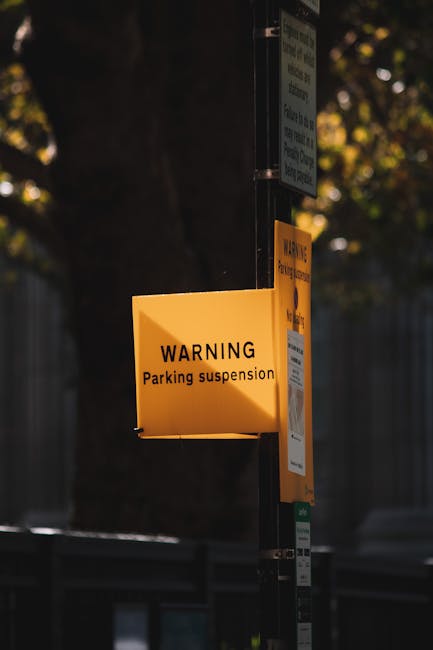
Parking Suspensions and Loads: Kenley Removals Rules

If you are planning a move in Kenley, the last thing you want is a removal van blocked by a parked car, a suspension you did not spot in time, or a loading bay that is not quite usable when the crew arrives. Parking Suspensions and Loads: Kenley Removals Rules can sound like a small admin detail, but in real life it often decides whether a move feels calm and controlled or rushed and messy. This guide breaks down what the rules mean, how they affect removals, and what to do before moving day so your team can load safely, legally, and without unnecessary drama.
Kenley has its own local quirks. Some streets are tight, some access routes are awkward at certain times, and a simple lack of space can snowball into delay after delay. That is why good planning matters so much. You will find practical steps here, along with a few plain-English explanations of parking suspensions, loading, permits, and the kind of common mistakes that trip people up at the worst moment. Truth be told, most of the pain is avoidable.
For readers organising a bigger move, this also connects closely with other moving tasks such as creating a packing plan for your house move and understanding the realities of moving near Kenley Station, including access and parking tips. The more you prepare early, the smoother the day tends to be. And yes, even the boring bits can save you money.
Why Parking Suspensions and Loads: Kenley Removals Rules Matters
Parking is often the invisible bottleneck in a removal. You can have the right boxes, the right van, and the right crew, but if the vehicle cannot stop close enough to the property, the whole job gets harder. Loads take longer to move, there is more carrying distance, and the risk of damage rises. That is especially true with bulky items such as wardrobes, sofas, beds, white goods, and office furniture.
In Kenley, where access can vary from road to road, the difference between a straightforward loading point and a bad one can be huge. A suspended bay, a temporary restriction, or a tight residential street may force a van to park further away than planned. That sounds minor on paper. In practice it can mean extra labour, extra time, and more stress for everyone standing on the pavement watching the clock.
There is also a compliance angle. Parking in the wrong place can create issues with the council, neighbours, or building managers. Nobody wants to be "that move" that blocks a street or leaves a van idling in a spot where it clearly should not be. In our experience, most disputes start because someone assumed there would be space, rather than checking. A quick check would have avoided the whole thing.
For local moves, this matters even more because access is never just about the front door. It is about the route the van takes, the turning space, the nearest safe stopping point, and whether you can actually unload without causing a queue behind you. If you want a more route-focused view, the CR8 removals guide on narrow lanes and loading bays is a useful companion read.
How Parking Suspensions and Loads: Kenley Removals Rules Works
At its simplest, the process is about matching the vehicle's stopping point with the legal space available on the street or outside the property. A parking suspension is usually a temporary restriction that removes normal parking rights from a bay or section of road for a set period. It may be used for roadworks, access needs, safety reasons, building activity, or a similar local event. The point is simple: what was available yesterday may not be available on moving day.
Loads come into the picture because the size, weight, and shape of your items affect how the move is planned. A small flat move with boxes and a few lightweight items can often work with a short loading stop. A house move with heavy furniture, or something awkward like a piano, needs more space, more time, and much better positioning. That is one reason specialist jobs often benefit from expert handling, as explained in why piano moving demands professional expertise and precision.
There is usually a practical chain to follow:
- Check the property location and street layout.
- Identify the nearest safe stopping point for the van.
- Look for any temporary parking restrictions or suspension notices.
- Decide whether the load can be moved comfortably from that point.
- Adjust the vehicle size, crew size, or timing if needed.
The key thing is not to leave this until the morning of the move. By then, if the bay has disappeared, you are improvising under pressure. That tends to be when small errors become expensive ones. Better to plan it early, even if the street looks "fine" at first glance. Streets are deceptive like that.
Key Benefits and Practical Advantages
Doing the parking and loading planning properly gives you more than just peace of mind. It changes the whole feel of the move. Here are the most useful benefits.
- Less carrying distance: Items travel fewer metres from property to van, which reduces fatigue and handling risk.
- Faster loading: When the van is placed well, the crew can work in a cleaner, more efficient flow.
- Lower damage risk: Fewer awkward corners, fewer sloped kerbs, and less repeated lifting usually means fewer knocks.
- Better timing: A well-positioned van helps the team stay on schedule, especially on busy days.
- Less neighbour friction: Clear planning makes it easier to avoid blocking driveways or creating a nuisance.
- Improved safety: Fewer last-minute shuffles on the road mean fewer trip hazards and fewer rushed lifts.
There is also a quieter benefit: confidence. When the parking side is sorted, everything else feels more manageable. You can focus on labels, keys, and the awkward bit where the sofa only fits if it goes through the door at a slight angle. That familiar moving-day puzzle. For practical packing support, a guide like creating a clean slate for moving-out cleaning and a quick and easy bed and mattress moving guide can help round out the job.
If you are moving household items into storage rather than straight into a new property, the parking plan matters just as much. You want neat handovers, not a relay race across the pavement. Small change, big effect. Funny how that happens with removals.
Who This Is For and When It Makes Sense
This topic matters to a wide range of people, not just large household moves. If your move involves any kind of roadside loading, parking limitation, or awkward access, it is relevant. In Kenley, that can include flats, terraced houses, office relocations, student moves, or one-off heavy item collections.
You will especially benefit from thinking ahead if you are:
- moving from a flat with limited street space;
- arranging a same-day or short-notice move;
- using a larger removal van that needs more room to stop;
- moving awkward or heavy items that should not be carried far;
- working around narrow roads, corners, or neighbour driveways;
- trying to avoid council complaints or parking penalties;
- coordinating a professional team, storage drop-off, or repeat trips.
Students moving out of a property often underestimate this part because the load looks manageable in the hall. Then you get to the street and realise the van is two houses away. That is where a decent plan saves the day. If you are arranging a lighter, more flexible move, student removals in Kenley and a last-minute flat move in Kenley are both worth a look for context.
Office moves can also be tricky because of building rules, loading windows, and the need to keep disruption low. A loading bay that works at 9 a.m. may be useless by lunchtime, or vice versa. The same logic applies to office removals in Kenley, where timing and access are often as important as the actual lifting.
Step-by-Step Guidance
Here is a practical way to approach parking suspensions and load planning without overcomplicating it.
- Map the exact address. Do not rely on a vague memory of the road. Check where the van can legally and safely stop closest to the property.
- Look for temporary restrictions. Check whether any bay suspensions, roadworks, or event-related restrictions may affect the day. Even a short restriction can change the whole setup.
- Measure the load profile. Think about what is going out first: boxes, white goods, wardrobes, sofas, beds, or delicate items. Heavy and awkward items usually need the van positioned better than smaller boxes do.
- Confirm the route from door to van. Count steps, gates, tight turns, and any kerbs or slopes. Small route details matter more than people expect.
- Choose the right vehicle and crew. If access is limited, a smaller or more agile vehicle may work better, or you may need an extra pair of hands. For flexible jobs, a man with a van in Kenley can sometimes be a practical fit.
- Prepare the property. Move loose items, keep corridors clear, and make sure the front path is usable. The cleanest van plan still fails if the hall is cluttered.
- Build in a fallback. If the prime stopping point is taken, decide in advance what the second-best option is. That avoids the awkward pause where everyone stands around looking thoughtful.
A small but useful clarification: a loading point is not always the same as a long-stay parking space. A van may be able to stop temporarily to load, but that does not mean it can stay there indefinitely. The exact rules depend on the street and the restriction in place, so check carefully rather than assuming.
If the move also involves furniture dismantling or awkward household pieces, it helps to review a broader handling mindset too, such as the advice in solo muscle and safely hoisting heavy objects and kinetic lifting for efficiency and safety. Those pieces are not just about strength. They are about control.
Expert Tips for Better Results
There are a few things experienced movers tend to do almost automatically, because they know where the trouble hides.
- Check the street at the same time of day. A road that looks quiet at midday can be much busier at school-run time or late afternoon.
- Leave more space than you think you need. Vans open wide, tail lifts need room, and people carrying wardrobes do not enjoy squeezing past wing mirrors.
- Keep the heaviest items closest to the van door. This keeps the route efficient and reduces the number of long carries.
- Use protective wraps before the move starts. Good preparation protects both the item and the route through the property.
- Assign one person to watch the loading route. It sounds simple, but it prevents clutter from creeping into the path.
- Have a backup parking point in mind. If the nearest place is unavailable, you save a lot of time by already knowing the next best option.
To be fair, a lot of these tips sound obvious once you read them. That is exactly why they are easy to skip. The best moves rarely feel dramatic. They feel boring, organised, and oddly quiet. That is a compliment.
Some jobs are helped by storage planning as well, especially if your move has a gap between addresses. If that is your situation, it is worth reading storage options in Kenley alongside long-term sofa storage insights. A short delay does not have to turn into a messy pile of furniture in the wrong room.
Common Mistakes to Avoid
The same mistakes keep showing up on removal day, and most of them are preventable. Here are the big ones.
- Assuming the bay will be free. It might not be. And if it is suspended, that assumption gets expensive very fast.
- Leaving parking checks until the day itself. By then, your options are reduced and stress is already rising.
- Underestimating item size. A "normal" wardrobe can become a problem if you forgot about the narrow bend in the hallway.
- Ignoring neighbour access. Blocking a driveway for ten minutes may feel harmless. To the neighbour, it is not harmless at all.
- Forgetting the unload side. People often plan where the van will park at the old address and forget to do the same at the new one.
- Choosing a van that is too large for the street. Bigger is not always better. Sometimes it is just harder to place.
Another common error is not linking the parking plan with the load order. If the biggest items are buried behind dozens of small boxes, you end up loading slowly and awkwardly. That is a classic moving-day headache, and it is a totally avoidable one.
If your move involves fragile or specialist items, the stakes go up again. There is a reason experienced teams treat pianos and similar objects differently. You can read more about that in piano removals in Kenley. One wrong turn with a heavy instrument, and the day goes sideways. Fast.
Tools, Resources and Recommendations
You do not need a huge toolkit to manage this properly, but a few practical things make life easier.
- A simple site sketch: Mark the property, pavement width, doors, and likely van position.
- Item list with rough sizes: Especially useful for sofas, beds, fridges, desks, and wardrobes.
- Clear labels: These help the team prioritise what should be loaded first.
- Protective materials: Blankets, wraps, mattress covers, and floor protection where needed.
- Phone notes or photos: A quick picture of the street can be more useful than a long explanation.
For planning support, a good packing routine matters more than most people realise. Packing and boxes in Kenley is a useful starting point, and decluttering before the move can shrink the load before the van even arrives. Less clutter, less risk, less carrying. Lovely when it happens.
For a broader understanding of the service itself, it can help to review the services overview and the company's insurance and safety information. Those pages give useful context if you are deciding how much help you need and how you want the job handled.
Law, Compliance, Standards, or Best Practice
This topic sits in the real world, so compliance matters. In the UK, parking restrictions, loading rules, and temporary suspensions are taken seriously because they affect road safety, traffic flow, and access for others. You do not need to be a transport lawyer to understand the basics, but you do need to avoid casual assumptions.
Best practice usually means:
- checking whether a bay or area is temporarily restricted before the move;
- not blocking driveways, crossings, or emergency access;
- keeping the loading period as short and controlled as possible;
- using suitable lifting and handling methods for the load;
- making sure the move does not create unnecessary nuisance or risk.
If a building manager, landlord, or council representative has given you instructions, follow them carefully even if they feel inconvenient. That is usually the safer route. And if the street has its own quirks, trust the quirks. Streets always do, especially around older residential pockets.
It is also wise to read the mover's terms and conditions, complaints process, and safety policies before booking. These are not glamorous reads, obviously, but they tell you what to expect and what responsibilities sit where. For a more formal overview, you can review the terms and conditions and the health and safety policy. If you have questions about handling standards or business practice, about the company is also worth a look.
Options, Methods, or Comparison Table
There is more than one way to handle parking and loading on a removals job. The best option depends on property type, street layout, and how much you are moving.
| Approach | Best for | Advantages | Drawbacks |
|---|---|---|---|
| Street-side loading near the property | Most standard home moves | Shortest carry, quicker turnaround | Depends on space being available |
| Use of a smaller van | Narrow streets, tighter turns | Easier positioning, less disruption | May need multiple trips |
| Pre-booked suspension or special arrangement | Busy streets or predictable access issues | More control and fewer surprises | Requires more planning and coordination |
| Further-away parking with extra carrying | Low-volume moves or temporary constraints | Simple if no close bay is available | Slower, more tiring, higher handling risk |
In real life, there is no perfect answer for every move. Sometimes the smallest van is the smartest choice. Sometimes an extra pair of hands matters more than a larger vehicle. And sometimes the best solution is simply to plan earlier than everyone else on the street. Sounds dull, but it works.
Case Study or Real-World Example
Here is a realistic example from the kind of move people often face in Kenley. A couple were moving from a first-floor flat into a house nearby. On paper, it looked easy: not far, not many large items, and only a few pieces of furniture. But the street outside the flat had limited stopping space, and the nearest sensible loading point was already affected by other vehicles. The van could not sit exactly where they hoped.
Instead of forcing it, the team adjusted the plan. Boxes were staged inside the hall, the largest items were broken down first, and the van was positioned at the nearest workable point without blocking anyone. The result was not flashy, but it was smooth. No angry neighbours, no last-minute shuffling, no carrying a mattress halfway down the road while someone muttered from a driveway. That sort of thing.
The move still took effort, of course. It always does. But because the parking issue was thought through in advance, the job stayed controlled. That is the real lesson here: parking planning is not a side detail. It is part of the moving strategy.
If your move feels close to that kind of scenario, it can help to look at flat removals in Kenley and staircase and narrow-entrance moves in Kenley. Those situations often share the same access challenges.
Practical Checklist
Use this simple checklist before moving day.
- Confirm the exact address and postcode.
- Check for parking suspensions or temporary restrictions.
- Identify the best van stopping point.
- Confirm the route from property to vehicle.
- Measure awkward items and note anything unusually heavy.
- Decide whether a smaller van or extra crew would help.
- Clear the hallway, porch, or flat entrance.
- Protect floors, doors, and delicate furniture.
- Keep keys, contact details, and essentials separate.
- Build in a backup plan if the first parking option is unavailable.
If you are moving at short notice, also check same-day removals in Kenley and related support options. A quick-response move can still be organised well, but only if parking is thought about early rather than after the van arrives.
Conclusion
Parking Suspensions and Loads: Kenley Removals Rules may sound like a narrow topic, but it sits right at the heart of a successful move. When the parking plan is right, the loading is easier, the route is shorter, the team works better, and the whole day feels more under control. When it is wrong, even a small move can turn into a long afternoon.
The good news is that this is one of the easiest moving problems to reduce. Check the street, think about the load, choose the right access point, and give yourself a backup. That one bit of preparation can save you time, money, and a lot of unnecessary annoyance. Not a bad return for a little planning.
If you want to keep the wider move on track, it also helps to compare service details, pricing, and handling support early. A little structure now beats a scramble later, every time.
Get a free quote today and see how much you can save.
Frequently Asked Questions
What are parking suspensions in a removals context?
Parking suspensions are temporary restrictions that remove normal parking access from a bay or road section for a set period. In removals, they matter because they can affect where a van can stop and how close it can get to the property.
Why do loads matter so much on moving day?
Loads determine how much space, time, and handling care a move needs. Heavy or awkward items often require better van positioning and a shorter carry route, otherwise the job becomes slower and riskier.
Do I need to check parking before a house move in Kenley?
Yes, you should. In Kenley, street access and parking can vary a lot from one road to another, so checking ahead can prevent delays and reduce the chance of parking problems on the day.
What happens if the loading space is taken when the van arrives?
If the planned spot is unavailable, the crew may need to use a backup position, carry items further, or adjust the loading sequence. That is why it is smart to have a second option in mind before the move starts.
Is a smaller van always better for tight streets?
Not always, but it can help in narrow or busy areas. A smaller vehicle is easier to position, though you may need extra trips if the load is large. It is a trade-off, not a universal fix.
Can I load furniture from any spot on the street?
No, not safely or legally. You need to avoid blocking driveways, crossings, and restricted areas, and you should make sure the stopping point is suitable for the vehicle and the loading process.
How far in advance should I think about parking for a removal?
Ideally as early as you can, especially if you are moving in a busy road or a street with limited parking. Leaving it until moving day usually reduces your options and raises stress.
What should I do if I have a piano or another heavy item?
Heavy and specialist items should be planned with extra care because they affect access, lifting, and vehicle positioning. For items like pianos, specialist handling is usually the safer choice.
Are flat moves harder than house moves when it comes to parking?
They can be. Flats often involve tighter access, more shared space, or stricter building rules. That does not mean they are always difficult, just that the parking plan often needs more thought.
How can I reduce loading time without rushing?
Keep the route clear, stage items in a sensible order, and place the heaviest or bulkiest items where they can be loaded first. Good packing and labelling also help the crew work efficiently.
What if the council or building manager has special loading instructions?
Follow them. Even if the instructions feel inconvenient, they usually exist to keep access, safety, and neighbour relations under control. It is better to work with them than against them.
Where can I get help planning a Kenley move with access issues?
You can start by reviewing the service pages, safety information, and local moving guides linked in this article. If your move is time-sensitive or has awkward access, speaking with a removals team early is the best next step.