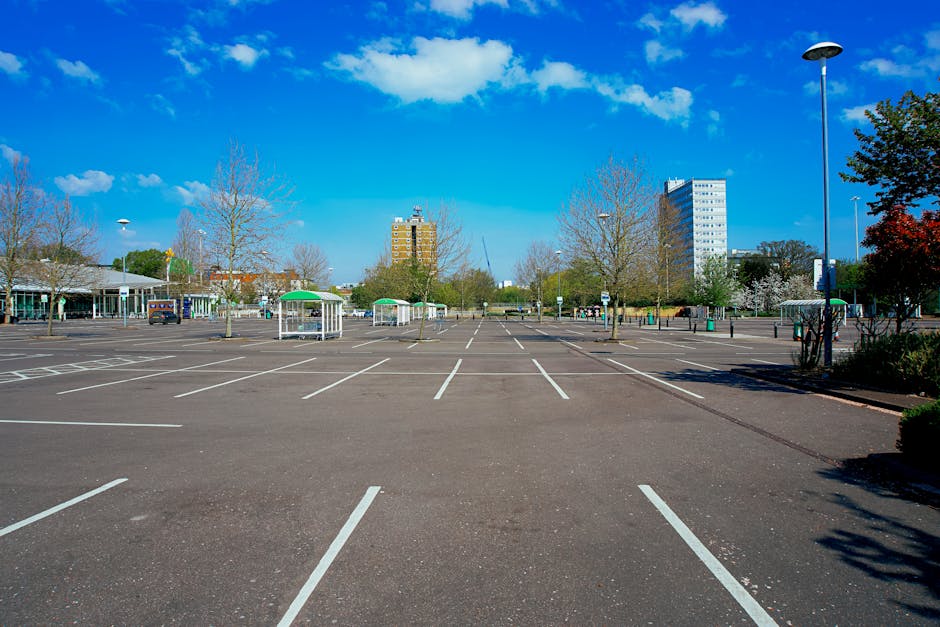
Kenley Park Road Removals Timing and Parking Tips
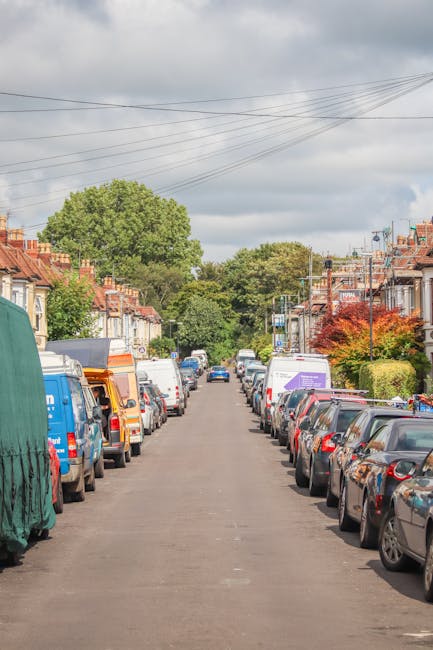
If you are planning a move on or around Park Road in Kenley, timing and parking can make the difference between a calm, organised move and a day full of avoidable delays. Kenley Park Road removals timing and parking tips are not just about squeezing a van into a space; they are about choosing the right arrival window, understanding local access, and making sure the crew can load safely without causing fuss for neighbours or getting stuck behind a parked car. Simple enough in theory. In practice, the small details matter more than people expect.
This guide walks through the parts that really help: how timing affects access, why parking strategy should be planned before move day, which mistakes tend to cause problems, and how to prepare if you are moving a full house, a flat, or just a few bulky items. You will also find practical checklists, a comparison table, and local-style examples that reflect how moves usually play out on tighter residential roads. Let's make it easier from the start.
Why Kenley Park Road Removals Timing and Parking Tips Matters
On a busy moving day, time is not just time. It is access, convenience, and sometimes money. If the removal van arrives when the road is already crowded, the team may need to park further away, shuttle items by hand, or wait until a space opens up. That adds effort and, in many cases, delay. On narrower streets, even a short wait can snowball into a badly timed morning. A school run, a bin lorry, a delivery van, and your moving crew can all end up in the same small stretch of road. It happens.
Park Road and surrounding Kenley streets can be straightforward one day and awkward the next, depending on the hour. Early morning may be quieter, but not always. Midday might offer better visibility and less commuter traffic, though local parking can be tighter. If you are moving near a station, school, or through route, the situation becomes even more sensitive. Good timing reduces the chance that your van blocks another vehicle or ends up circling while everyone gets frustrated.
Parking matters for another reason too: safety. Movers need enough space to open doors, carry furniture, use trolleys, and keep walk paths clear. A bad parking position can force awkward lifting angles or extra trips across uneven pavement. That is when minor damage and sore backs creep in. Nobody wants that on day one in a new place.
Practical takeaway: on Park Road, the best move time is usually the one that protects access, keeps the crew close to the property, and avoids peak local congestion. Simple. But worth planning properly.
How Kenley Park Road Removals Timing and Parking Tips Works
The basic idea is to match your removal schedule to the road conditions you are most likely to face. That means thinking about more than just the moving company's availability. You need to consider when vehicles tend to park outside homes, when neighbours are likely to leave, and whether your property has enough frontage for loading. If not, the van may need to stop a little further down the road.
In a typical local move, the process works like this: you confirm your move date, assess the road access around the property, estimate how long loading will take, and then plan the arrival window for the removal team. If the property is on a street where parking is competitive, you may also need a permit, a reserved bay, or at least a very clear parking plan. Even without formal restrictions, it is wise to line up the van position in advance.
Timing and parking are linked. For example, an early start can help you secure a spot directly outside, which is ideal for heavier items like wardrobes, sofas, or beds. But if that early slot means you hit rush hour traffic en route, you can lose the benefit before you arrive. There is a balance here, and it depends on the exact road conditions, not just a generic "start early" rule.
As part of the wider move planning, many people also coordinate packing, cleaning, and handover tasks. If you want to stay organised, a structured approach like the advice in creating a packing plan for your house move can help you avoid the classic last-minute scramble. Because yes, the kettle always seems to vanish at the worst moment.
Key Benefits and Practical Advantages
When you get timing and parking right, the whole moving day feels easier. The van is closer to the door, the team works faster, and you spend less time worrying about the road outside. That is the obvious gain. The quieter benefit is the one people only notice after the move: less stress.
- Faster loading and unloading: closer parking means fewer steps, fewer hand-carries, and less fatigue.
- Lower risk of damage: shorter carrying distances reduce the chance of bumps on door frames, stair rails, and furniture edges.
- Better time control: a properly timed arrival keeps the day moving and helps with handover deadlines.
- Less disruption to neighbours: a tidy parking plan prevents awkward blocking or repeated van repositioning.
- Improved safety: clear access paths make moving bulky items safer for everyone involved.
There is also a financial angle, even if no one loves talking about it. If a crew spends extra time walking items from a distant parking spot, or if loading has to be paused while access is sorted out, that can affect labour time. For a straightforward move, the difference may be modest, but on a complicated day it can become noticeable. Timing and parking are part of the efficiency equation.
And honestly, in a local move, efficiency is not some abstract word. It means less sweating on the pavement, fewer apologetic looks at neighbours, and more chance of getting the job done before the afternoon traffic builds up. That alone is worth planning for.
Who This Is For and When It Makes Sense
This topic matters to anyone moving on a road where access is not guaranteed. That includes homeowners, renters, landlords organising end-of-tenancy moves, families with a full house load, and anyone moving furniture into or out of a property with limited driveway space. It is also relevant if you are booking a man and van for a smaller job, because smaller loads still need sensible parking and timing.
It makes particular sense if any of the following are true:
- you live on a narrow or busy residential road
- your property has limited or no private parking
- you need to complete the move within a strict time window
- you are moving bulky items like wardrobes, sofas, or appliances
- there are shared parking bays, visitor spaces, or permit-controlled areas nearby
- you are moving in wet weather, when carrying distances become more awkward
It is also useful if you are comparing removal options. Some people only need a simple vehicle and a couple of movers, while others need a larger team and more planning. If you are deciding between different service types, the pages on removals and removal services can help you think through what level of support fits your move. Not every move needs the full works, to be fair.
Small move, big move, awkward move. Same road, same parking reality.
Step-by-Step Guidance
Here is a practical way to plan Kenley Park Road removals timing and parking without overcomplicating it.
- Assess the road before move day. Look at parking patterns at the same time of day you plan to move. If possible, take note of bins, school traffic, and where cars tend to line both sides of the road.
- Measure the access outside the property. Check whether a van can stop close enough to the door without blocking driveways or creating a safety issue. A few metres matter more than people think.
- Choose a sensible arrival window. Early enough to avoid the worst congestion, but not so early that you collide with school drop-off or commuter traffic. Local knowledge helps here.
- Confirm whether parking needs to be arranged. If there are restrictions, reserve space where allowed or plan for a controlled stop. If not, still have a backup spot in mind.
- Pack for quick loading. Label items clearly, keep essentials separate, and place heavier boxes close to the exit. This saves time once the van arrives.
- Keep a clear route from property to van. Move loose bags, bins, bikes, and plant pots out of the way. The cleaner the path, the smoother the load.
- Build in a small buffer. Traffic, a late neighbour moving a car, or a surprise narrow gap can all eat into your schedule. A bit of breathing room is useful.
If you are moving from a flat or a property with stairs, the route matters even more. A van parked awkwardly can turn each trip into a slow squeeze. For more on difficult access, the guide to staircase and narrow entrance moves in Kenley covers the kinds of issues that often go hand in hand with parking headaches.
One more thing: if you have a very tight deadline, do not leave timing until the morning of the move. That is the sort of decision that feels fine on paper and then turns slightly ridiculous at 7:45 a.m. when the road is already full.
Expert Tips for Better Results
In our experience, the best moves are rarely the ones with the fanciest packing. They are the ones where access has been thought through properly. A few small choices make a surprisingly big difference.
- Scout the street at the same time of day: what looks easy at noon may be much tighter at school-run time or late afternoon.
- Use short-term parking logic: if the street is competitive, plan for the van to stop exactly where the loading will start, not where it will be convenient to park for an hour.
- Keep a second parking option ready: a nearby side street or a slightly different bay can save the day if your first choice is taken.
- Tell the movers about awkward items early: pianos, wardrobes, American fridge-freezers, and other bulky pieces affect how close the vehicle needs to be.
- Mark fragile or priority items clearly: this helps the team place them near the loading point and avoid extra handling.
For larger or more delicate pieces, it can help to read practical guidance such as why piano moving demands professional expertise and precision. Even if you are not moving a piano, the underlying principle is the same: heavy, awkward items need space, planning, and the right parking position.
Another useful habit is to keep your first load separate from the rest. Essentials, documents, chargers, snacks, kettle, basic cleaning supplies. All the little things you will want within reach at the new place. Nobody enjoys hunting through ten boxes for a phone cable at the end of a long day.
Common Mistakes to Avoid
Some mistakes show up again and again. The good news is they are avoidable. The less good news? They tend to look obvious only after the move is underway.
- Assuming parking will "just work". Streets that look spacious in the evening can be fully occupied by morning.
- Booking without checking access. If the van cannot get close enough, everything takes longer. That is not drama, just reality.
- Choosing a move time that clashes with peak local traffic. A route that seems fine off-peak may be slow and cramped at busy times.
- Leaving loose items around the front path. Bins, scooters, and plant pots become trip hazards very quickly.
- Forgetting about neighbours' driveways. Even a short stop can become contentious if it blocks access.
- Not planning for rain. Wet boxes, slippery paths, and muddy footwear are minor individually, but messy together.
There is also the classic mistake of underestimating how long loading takes. A couple of sofa pieces and a few boxes? Fine. A whole household with stairs, awkward corners, and narrow doors? Not so quick. People often ask, "How long can it really take?" The answer, honestly, is longer than the optimistic version in your head.
Tools, Resources and Recommendations
You do not need a huge toolkit for a move, but a few practical resources make everything smoother. The right setup helps the team work faster and helps you stay organised.
- Tape, labels, and marker pens: basic, but essential for identifying rooms and priority items.
- Furniture covers and blankets: useful for protecting surfaces when items are carried from the property to the van.
- Dolly or sack truck: helpful for heavier boxes and appliances, especially if the parking spot is not right outside.
- Phone notes or a move list: keep a simple list of what loads first, what stays accessible, and what must not be left behind.
- Parking observation: yes, a low-tech tool, but one of the best. A quick look at the road pattern on the previous day often saves confusion later.
If you are still deciding how much support you need, the pricing overview at pricing and quotes can help you understand how different move sizes and service levels are usually approached. It is often easier to plan once you know what kind of service you are actually booking.
You may also find the local route and access advice in moving near Kenley station streets access parking tips useful if your move is anywhere near busier transport corridors. Station-adjacent streets have their own little rhythm, and they can catch people out.
Law, Compliance, Standards, or Best Practice
For removals, the main compliance concerns are usually about safe vehicle parking, avoiding obstruction, and following any local restrictions that apply to the road or bay you are using. The exact rules depend on the street and the relevant local authority arrangements, so it is sensible to check the specifics in advance rather than assume a quick stop is fine. A moving van parked in the wrong place can create problems for residents, emergency access, and your own schedule.
Best practice usually means keeping the loading area as clear as possible, ensuring nobody has to carry items through a dangerous pinch point, and respecting any controlled parking or permit requirements. If the road has suspension notices or loading restrictions, plan around them instead of hoping they will not matter. They usually do matter.
Good moving practice also includes health and safety awareness. Heavy lifting, awkward turns, wet surfaces, and cramped hallways all increase the chance of injury. A professional crew should use sensible handling techniques, appropriate equipment, and a layout that avoids unnecessary strain. If you want to see how safety is approached more broadly, the company's health and safety policy and insurance and safety information provide a useful sense of the standards involved.
Best practice in plain English? Park well, load safely, and do not make the road worse for everyone else. A modest ambition, but a good one.
Options, Methods, or Comparison Table
Different timing and parking approaches suit different kinds of move. The table below compares the most common options in a simple way.
| Option | Best for | Advantages | Possible drawbacks |
|---|---|---|---|
| Early morning move | Quieter roads and tighter schedules | Better chance of parking close, more day left for unpacking | Can overlap with commuter traffic or school runs in some areas |
| Mid-morning move | Balanced timing with less rush | Often a practical compromise for access and traffic flow | Parking may already be more limited on residential streets |
| Permit or reserved-space plan | Restricted or competitive parking areas | Greater certainty and less circling | Requires extra preparation and may involve lead time |
| Flexible same-day parking | Smaller loads or low-traffic streets | Simple and low effort if the road is calm | Riskier if spaces are busy or access changes unexpectedly |
For larger moves, a more structured vehicle plan may be better than a flexible one. In contrast, a straightforward sofa pick-up or a light flat move may only need a careful arrival window and a nearby space. If you are arranging furniture collection specifically, furniture pick-up can be a useful point of reference for simpler access needs.
Case Study or Real-World Example
Imagine a family moving from a semi-detached home on a narrow Kenley road. They have a three-bedroom house's worth of items, two children, a dog that dislikes open doors, and a removal day booked for Friday morning. The road is usually manageable, but parked cars line both sides by mid-morning. On their first plan, they expected the van to stop directly outside. Nice idea. Reality had other plans.
They checked the street two days before the move and saw that the best parking window was earlier than they thought. So they adjusted the arrival time by an hour, cleared the front path, moved the bins, and asked neighbours not to leave a vehicle on the narrowest stretch if possible. They also packed the first-load boxes together, which meant the team could get the essentials onto the van quickly before the street filled up.
The result was not magic. Just fewer steps, fewer pauses, and no frantic parking shuffle at the last minute. The crew worked steadily, the heavier furniture moved from door to van without drama, and the family got to the new place with enough energy left to find the teabags. A small win, but a real one.
If the road had been busier or if there had been a parking suspension, the plan would have needed more flexibility. That is why local route and access guides, including parking suspensions and loads for Kenley removals, can be so useful when you are trying to avoid surprises.
Practical Checklist
Use this checklist before moving day. It is the sort of list that saves you from the little things that become annoying at the worst time.
- Confirm the removal time and arrival window.
- Check parking conditions on the road for that time of day.
- Identify a backup parking position nearby.
- Make sure the front path and entrance are clear.
- Move bins, bikes, plants, and loose items out of the way.
- Label boxes by room and priority.
- Separate essentials for immediate access.
- Protect floors and fragile corners where needed.
- Keep keys, documents, and phone chargers easy to reach.
- Check whether any permits, suspensions, or access notices apply.
- Tell the movers about awkward furniture or narrow stairs in advance.
- Have water and a quick snack ready. Honestly, it helps.
Expert summary: the smoother the access, the smoother the move. Good timing protects parking, good parking protects loading, and both together reduce stress more than most people expect. It really is that simple, even if the planning takes a few extra minutes.
Conclusion
Kenley Park Road removals timing and parking tips come down to one thing: making the move work with the street, not against it. When you think ahead about arrival time, parking position, access routes, and loading order, you remove a lot of the friction that usually turns move day into a headache. That means less waiting, less carrying, and fewer awkward moments with neighbours or traffic.
Whether you are moving a few rooms, a full family home, or just some bulky furniture, the same rule applies. Check the road, plan the timing, and make parking part of the move strategy from the start. A bit of preparation goes a long way. And truth be told, it usually feels much better when the van pulls up exactly where you hoped it would.
If you are comparing options or need help planning the details, start with the basics and build from there. A careful move is almost always a calmer move.
Get a free quote today and see how much you can save.
Frequently Asked Questions
What is the best time of day for removals on Park Road in Kenley?
The best time depends on the exact stretch of road, but earlier slots often help with parking and reduce the chance of blocked access. That said, you still want to avoid clashing with the busiest local traffic periods. A quick street check on the same day of the week is usually more useful than guessing.
Do I need to arrange parking for a removal van?
If parking is limited, controlled, or likely to fill quickly, yes, it is wise to plan it in advance. Even where no formal permit is needed, having a clear spot in mind can save time and stress. It is one of those small jobs that pays back immediately on moving day.
How much extra time should I allow for parking and loading?
Allow a buffer, especially if you are on a busy or narrow road. The extra time needed depends on how far the van must park from the property, how many stairs are involved, and how much furniture is being moved. Better to have a bit of breathing room than to feel rushed.
What happens if the van cannot park directly outside my property?
The crew may need to park further away and carry items the extra distance. That is usually manageable, but it can slow the move and add physical effort. If you already know this is likely, tell the removal team early so they can plan properly.
Are narrow streets a problem for removals in Kenley?
They can be, especially if the street has cars parked on both sides or limited passing room. Narrow streets are not impossible, but they do benefit from better timing and a careful access plan. A little street awareness goes a long way.
Should I book a morning or afternoon removal slot?
Morning slots often offer better access and more time to deal with any surprises, but they are not automatically better for every road. The right choice depends on local traffic, parking patterns, and your own schedule. If your area is quieter in the morning, that is often the sensible direction.
Can bad parking really affect the cost of a move?
It can, indirectly. If the team has to carry items further or work less efficiently because of poor access, the move may take longer. The exact impact depends on the job, but parking is definitely part of the time calculation.
What should I tell the removal company before moving day?
Tell them about parking restrictions, narrow access, stairs, large items, parking suspensions, and any time limits you are working to. The more accurate the information, the better they can prepare. Surprises are much less fun on the day itself.
How can I make loading quicker?
Keep the entrance clear, label boxes properly, place heavy items near the exit, and separate essentials from general boxes. If the van can park close by, loading becomes much faster. Simple preparation often beats fancy packing tricks.
What if it rains on moving day?
Rain makes parking and carrying a bit more awkward, especially on narrow paths and steps. Use covers where possible, keep walkways clear, and make sure slippery surfaces are handled with care. It is not ideal, but it is manageable if you prepare for it.
Are there local rules I should check before parking a removal van?
Yes. Check for any permit requirements, restrictions, loading limits, or parking suspensions that may apply to your street. It is much better to confirm these details before the move than to discover a problem when the van arrives. A quick check saves a lot of frustration.
Is a man and van service suitable for Park Road removals?
Yes, for many smaller or medium-sized moves it can be a practical option, especially where access is tight and careful parking matters. The key is making sure the vehicle size, timing, and loading plan fit the street conditions. If those line up, it can work very well indeed.