Croydon Council Permits for Kenley Removals Explained
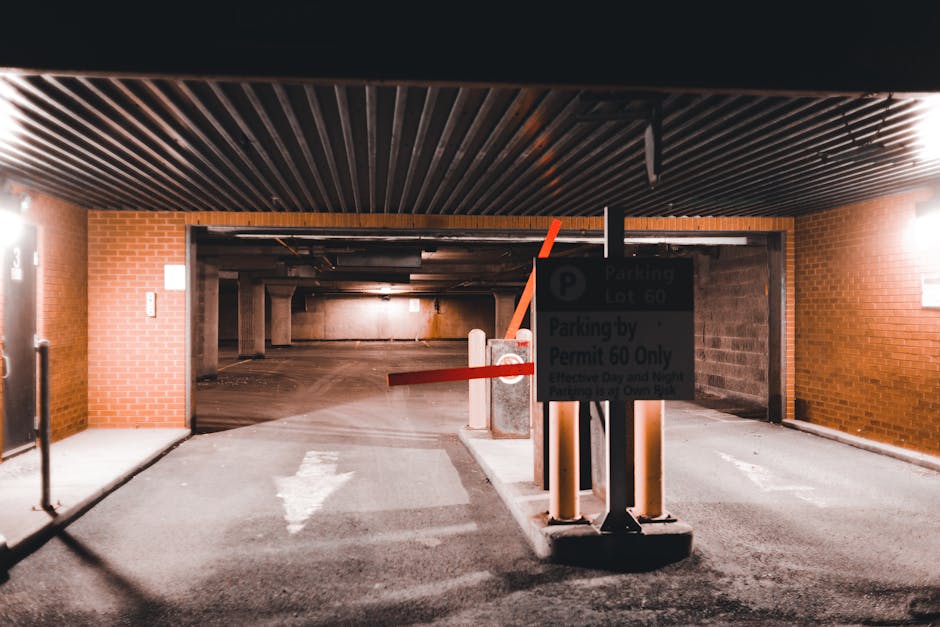
If you're planning a move in Kenley, one of the easiest things to overlook is parking control. Yet that small detail can shape the whole day. Croydon Council permits for Kenley removals can be the difference between a smooth loading process and a move that starts with a ticket, a delay, or an awkward dash to move the van halfway down the street. Not ideal, really.
This guide breaks the topic down in plain English. You'll learn what a permit is, when it may be needed, how the process usually works, and what to do if your move involves tight roads, limited bays, or an awkward loading spot. We'll also cover practical mistakes people make, sensible best practice, and the kind of planning that saves time on moving day.
Kenley is one of those places where access can be straightforward on a calm day and a bit fiddly on another. The difference might be one parked car, one narrow lane, or a bay that disappears just when you need it. So let's get into it properly.
Why Croydon Council Permits for Kenley Removals Explained Matters
Parking and access are not just admin. They affect how long movers can safely work, whether a removal van can stop close enough to the property, and whether heavy items need to be carried farther than planned. That extra distance sounds minor until you are hauling a wardrobe, a sofa, or a fridge down a steep drive or across a busy pavement.
In Kenley, the practical issue is often less about the move itself and more about where the vehicle can wait. If the road is restricted, a loading bay is full, or the property sits on a stretch where stopping is limited, a permit or dispensation may be needed. Sometimes the answer is straightforward; sometimes it is a bit of a juggle. To be fair, that is true across much of outer South London, not just here.
A permit matters because it helps reduce avoidable risk. If you get the parking wrong, the whole schedule can slide. That can affect neighbours, building access, lift bookings, and even your own completion or tenancy handover if the move is tied to a deadline. If you are also dealing with a tight staircase or a narrow entrance, the knock-on effect can be bigger than you expect. Our guide to staircase and narrow-entrance moves in Kenley is useful reading if your property is particularly awkward.
There is also a trust angle here. A properly planned move looks organised because it is organised. People tend to remember the day less for the paperwork and more for whether it felt calm. Calm is underrated.
How Croydon Council Permits for Kenley Removals Explained Works
In simple terms, permits and parking permissions are there to regulate where a removal vehicle can stop, how long it can stay, and under what conditions loading or unloading can take place. The exact requirement depends on the street, the bay type, the time of day, and any local restrictions in force at the address.
For removals, there are usually a few possibilities:
- Standard legal parking where a van can stop without breaking restrictions.
- Loading-only arrangements where stopping is allowed for active loading and unloading, but not for long waits.
- Suspensions or dispensations where a bay or section of road is reserved temporarily for a specific purpose.
- Resident or controlled parking areas where special permission may be needed if the van does not already qualify under local rules.
The important thing is that a removal company should not assume the street is fine just because it looks quiet at 8 a.m. A restriction can sit in the background and only become obvious when the penalty notice arrives. Not the sort of souvenir anyone wants.
In practice, the process often starts with checking the property location, estimating the size of the vehicle, and deciding whether the van can park close enough for safe loading. If not, the move plan may need adjusting. Sometimes that means a permit request. Sometimes it means choosing a smaller van, using a man and van service, or staging the move in phases. If you are weighing vehicle size and access, our man and van Kenley page gives a good sense of how flexible smaller-load moves can be.
For bigger household moves, especially where furniture needs careful handling, the parking plan should be tied to the whole removal method. For instance, if you are moving heavy wooden items, you may want to read the practical advice in solo lifting and heavy-object handling and kinetic lifting and moving safety. The better the lift plan, the less pressure there is on the vehicle position.
Key Benefits and Practical Advantages
Getting permits or parking permissions sorted early does more than protect you from hassle. It changes the feel of the day.
- Less stress on moving day because the van has a defined place to work from.
- Shorter carrying distance for heavy furniture and boxes.
- Lower risk of fines or interruptions from enforcement or complaints.
- Better timing control for building access, lift use, and neighbour coordination.
- Safer handling of bulky items because movers are not rushing across a long distance.
There is also a quieter benefit: permits help make your move look professional. That sounds small, but if you are moving out of a flat or into a managed property, it can matter. Landlords, managing agents, and neighbours all notice when a move is organised rather than chaotic.
For example, a Kenley flat move with a tight frontage and shared access can become far easier if the vehicle is planned around the street rather than the other way around. If you are moving from an upper-floor property, our flat removals in Kenley page is worth a look alongside the local parking guidance in moving near Kenley Station: access and parking tips.
And yes, if your move is a bit last-minute, early parking planning still helps. The van may be available, but the road might not be. Strange how often that is the real bottleneck.
Who This Is For and When It Makes Sense
This topic matters most if any of the following sound familiar:
- You live on a street with controlled parking or limited kerb space.
- You are moving from a flat, maisonette, or upper-floor home.
- You have large items such as wardrobes, beds, sofas, pianos, or appliances.
- Your road is narrow, busy, or prone to parked cars blocking access.
- Your move needs to happen within a narrow window, such as before key handover.
- You are arranging a business move where downtime matters.
It is especially useful for people who assume "it'll be fine, we'll just park outside." Sometimes that works. Sometimes it absolutely does not. A bit of humility here saves time later.
Student moves, small flats, and short-notice relocations can also need permits or parking checks, even if the load is small. Our student removals Kenley service page and same-day removals Kenley page show how urgent moves still need proper planning, not just speed.
If you are moving an instrument or another awkward item, access planning becomes even more important. A piano, for instance, is not the kind of thing you want carrying an extra twenty metres because the bay turned out to be unavailable. That's why we recommend reading piano removals Kenley and why piano moving demands professional expertise if your move is specialist.
Step-by-Step Guidance
If you want the simplest possible approach, use this sequence.
- Check the property type and street restrictions. Look at whether the address sits on a controlled street, a bay, a narrow lane, or a road with limited stopping.
- Estimate the vehicle size. A small van, medium van, and larger removal van all create different parking needs.
- Map the loading point. Decide exactly where boxes and furniture will leave the property and where the van can safely wait.
- Plan for time windows. If the move has a completion time, building slot, or school-run traffic nearby, build that into the schedule.
- Decide whether a permit, dispensation, or alternative plan is needed. Not every move needs formal permission, but many benefit from it.
- Confirm the plan in writing. Especially for managed flats, offices, and shared streets, a clear record helps avoid confusion.
- Prepare the property interior. Boxes grouped by room, furniture disassembled where possible, and fragile items marked clearly.
One small but important point: if the street is tight, think about the unload route inside the property as well as outside. A lovely parking spot won't help much if a sofa cannot turn the landing corner. That's where local route knowledge and practical technique come together. Our CR8 removals guide for narrow lanes and loading bays and Kenley Common and Godstone Road route advice are useful if you want to think through access before moving day.
A decent packing plan also matters. If you want your boxes ready without the usual last-minute scrabble, see creating a packing plan for your house move and packing and boxes Kenley. It sounds ordinary, but tidy packing makes permit timing work better because crews can load faster. Simple, but effective.
Expert Tips for Better Results
Here's the honest version: the best permit plan is the one that matches the move, not the other way around.
First tip: check access from the road to the front door before you commit to a vehicle size. A smaller van may save far more time than a larger one if the street is awkward. In some cases, a man-with-a-van setup is more efficient than trying to force a bigger truck into a tight space. If that sounds relevant, our man with a van Kenley and removal van Kenley pages may help you compare the practical fit.
Second tip: avoid loading one item at a time across a long carry distance. Group boxes and pieces near the exit, then work in logical bursts. You'll notice the rhythm helps. Fewer pauses, fewer trips, fewer opportunities for someone to say, "Wait, where did we put the kettle?"
Third tip: if the move involves fragile or high-value items, factor in extra time for handling, not just travel. Our sofa storage and care insights, bed and mattress moving guide, and furniture removals Kenley content all reinforce the same point: good handling depends on time, space, and a sensible route.
Fourth tip: for office or business removals, think beyond the street permit. Staff access, lift bookings, visitor parking, and neighbour disruption all play into the overall picture. If your move is commercial, the office removals Kenley and removal services Kenley pages give a decent sense of what should be coordinated together.
Fifth tip: keep a backup plan. If the ideal bay is full, know where the next legal stopping point is. If a permit is delayed, know how you will handle the load without panic. That little bit of resilience keeps the day moving.
Common Mistakes to Avoid
Most parking problems are not dramatic. They are just annoying, avoidable and, frankly, a bit expensive.
- Assuming the street is unrestricted. Always check rather than guessing.
- Leaving permit planning too late. A last-minute scramble can reduce your options.
- Choosing the wrong van size. Bigger is not always better.
- Ignoring neighbour access. Shared driveways and common entrances need extra care.
- Forgetting the unload side. A legal parking spot that is awkward for carrying can still slow you down.
- Not communicating the plan. Everyone involved should know where the vehicle will sit and how loading will happen.
Another common one: planning the move around the furniture but not around the street. The street wins every time. It really does.
Some moves also run into waste and clearance issues. If you are leaving bulky items behind or disposing of unwanted furniture, be careful to follow local rules. Our guide to avoiding Croydon Council fines for bulky waste in Kenley explains why it is worth sorting this before the move. If you need to downsize first, decluttering before a move is also a smart place to start.
Tools, Resources and Recommendations
You do not need a mountain of equipment to plan this well, but a few basics help:
- Notebook or moving checklist to track parking, timings, and access details.
- Phone photos of the street, bay signage, and property frontage.
- Room labels so unloading stays orderly.
- Tape measure for doorways, stair turns, and bulky items.
- Furniture covers and straps for safer handling in tight spaces.
For support with preparation, you can also use the following pages on the site:
- services overview for a broader sense of what the team handles.
- pricing and quotes if you want to compare move scope and budget.
- insurance and safety for reassurance around handling and transit.
- recycling and sustainability if you are clearing items responsibly.
- storage Kenley if the move needs to be split over more than one day.
There is no shame in using storage as a pressure valve. In fact, it can make a permit-heavy move much easier because the load is smaller and the timetable is calmer. You may also find our freezer storage guide useful if you are temporarily moving appliances or need to think about what can be switched off, packed, or rehomed first.
And if you want to understand the company side better, the about us, terms and conditions, privacy policy, and payment and security pages are all worth a quick look. Not glamorous reading, perhaps, but useful.
Law, Compliance, Standards, or Best Practice
When permits or parking permissions are involved, the safe approach is to treat compliance as part of the move plan, not an afterthought. UK local authority parking rules can be specific, and enforcement tends to be pretty unforgiving once a restriction is in place.
As a practical rule, you should:
- check the local street restrictions before moving day;
- avoid assuming loading automatically means unrestricted parking;
- make sure the vehicle stops legally and safely;
- coordinate with any building management if the property has shared access;
- keep records of any agreed parking arrangements or permissions.
For removals, good best practice also means safe lifting, secure load management, and clear route planning. Those things are not separate from compliance; they are part of it. If a mover is forced to park too far away, people tend to rush. When people rush, accidents happen. There's the chain.
That is why using a reputable, safety-conscious mover matters. Our health and safety policy and modern slavery statement show the sort of standards a responsible provider should be willing to stand behind. If you want to sanity-check how a company works before booking, that is sensible, not over-cautious.
Options, Methods, or Comparison Table
Not every move needs the same solution. Here is a simple comparison of the most common approaches.
| Option | Best for | Pros | Watch out for |
|---|---|---|---|
| Standard legal parking | Quiet streets with clear bay space | Simple, low effort, no special request needed | Only works if restrictions truly allow it |
| Permit or dispensation | Controlled streets or restricted stopping | More reliable access close to the property | Needs planning and confirmation |
| Smaller vehicle / man and van | Tight roads and lighter loads | More flexible in narrow streets | May require more trips for larger homes |
| Split move with storage | Complex or phased relocations | Reduces pressure on the day | Needs extra coordination and storage cost |
In many Kenley scenarios, a smaller or more flexible vehicle can be the neatest solution. If you are not sure which path fits your home, man and van Kenley, removal companies Kenley, and house removals Kenley are the pages to compare first.
Case Study or Real-World Example
Here is a realistic example from the kind of move people often face in Kenley.
A couple moves from a first-floor flat near a busy residential road. The property has a narrow entrance, a shared access strip, and limited space for a larger van to sit outside for long. On paper, the move seems small. In practice, it is a bit awkward. They also have a sofa, bed, chest of drawers, and a handful of boxed kitchen items that need to go out in one morning window.
Instead of guessing, they check the access early, choose a vehicle that can stop closer to the entrance, and arrange the load sequence so the heaviest items go first. They also keep a backup stopping point in mind in case the preferred bay is occupied. The move still takes effort, of course, but the whole day runs without panic. No one is dragging a sofa through a traffic bottleneck. No one is standing around waiting for a miracle parking space.
What made the difference? Not luck. Just planning.
That same approach also helps with specialised items. If someone in the same road had a piano, the lifting plan, access route, and stopping point would need even more care. That is where specialist piano removals in Kenley become very relevant.
Practical Checklist
Use this checklist the day before, or even earlier if you can.
- Confirm the exact moving address and postcode.
- Check whether the road has parking restrictions, bays, or permit rules.
- Decide where the removal van will stop and how long it needs to stay.
- Measure any tight doorways, stair turns, or hallway bends.
- Group boxes by room and label them clearly.
- Disassemble large furniture if that will make access easier.
- Set aside keys, documents, chargers, and essentials in one bag.
- Tell neighbours or building management if access may be temporarily blocked.
- Keep a backup parking option in mind.
- Make sure the mover knows if you have bulky or fragile items.
If you want a deeper prep layer, read tips for a moving-out clean and planning your packing properly. A clean exit and a tidy load go hand in hand. That's just the reality of it.
Get a free quote today and see how much you can save.
Conclusion
Kenley removals become much easier when parking is treated as part of the move, not a side note. That is the real lesson behind Croydon Council permits for Kenley removals explained: good access planning protects your time, your budget, and your energy on the day.
Sometimes you will need a formal permit or parking arrangement. Sometimes a smaller vehicle, a different loading point, or a better schedule will do the job. Either way, the goal is the same: keep the move legal, safe, and calm enough that you can actually breathe between boxes.
If you prepare early, choose the right removal setup, and think through the street as carefully as the furniture, you're already ahead. And honestly, that is half the battle.
One last thing: a move does not have to feel frantic to be fast. With a bit of care, it can feel strangely steady. Almost peaceful, even.
Frequently Asked Questions
Do I always need a Croydon Council permit for a removal in Kenley?
No, not always. It depends on the street, parking restrictions, vehicle size, and how long the van needs to stop. Some moves can be done using normal legal parking, while others need a permit or another form of parking permission.
How do I know if my Kenley street has parking restrictions?
Check the signs on the street, look at the bay markings, and confirm any controlled parking times or loading rules before the move. If the street is busy or looks tight, it is worth planning as though restrictions may apply.
Can a removal van stop outside my house just for loading?
Sometimes yes, but not automatically. Loading and unloading rules vary, and stopping briefly is not the same as unrestricted parking. The exact position and duration still matter.
What happens if I do not arrange the right parking permission?
You may face delays, extra carrying distance, enforcement action, or even a fine. More commonly, the move just becomes slower and more stressful, which is annoying in its own right.
Are permits more important for flats than houses?
Often yes, because flats tend to come with shared access, tighter entrances, and more limited parking nearby. That said, some houses on narrow roads or controlled streets can be just as tricky.
Should I book a larger van to save time?
Not necessarily. A larger van can reduce trips, but it may be harder to park close to the property. In Kenley, access matters as much as capacity, so the best vehicle is the one that suits the street as well as the load.
How far in advance should I check parking for a move?
The earlier the better. A few days in advance is sensible for a simple move, and longer is wiser if the property sits on a controlled road, a shared frontage, or a tight residential street.
Can a man and van service help with permit planning?
Yes, a flexible mover can often help you think through the practical side of access, loading, and timing. That does not replace your own checks, but it can make the plan much more realistic.
What if I am moving a sofa, bed, or other bulky item?
Then vehicle position matters even more. Large items are slower to carry and harder to manoeuvre, so good parking can save a lot of time. Our articles on sofas, beds, and furniture handling are useful if that is your situation.
Do office moves in Kenley need the same parking planning?
Very often, yes. Office moves usually involve more coordination, more staff movement, and more pressure to minimise downtime. Parking and access planning becomes part of business continuity, not just logistics.
Is storage useful if parking access is poor on moving day?
It can be. Splitting the move into stages and using storage may reduce the amount that needs to be loaded in one go, which can help when access is difficult or time is limited.
What is the simplest way to avoid fines during a Kenley move?
Check the street restrictions early, use the right vehicle size, and make sure the van stops only where parking or loading is allowed. If anything looks uncertain, get the move plan reviewed before the day itself.
Where should I start if I am completely overwhelmed?
Start with the address, the vehicle size, and the access route. Those three things drive most of the rest. Once they are clear, the paperwork and packing feel much more manageable. One step at a time, really.