CR8 Removals Guide: Narrow Lanes & Best Loading Bays
Posted on 14/05/2026
CR8 Removals Guide: Narrow Lanes & Best Loading Bays
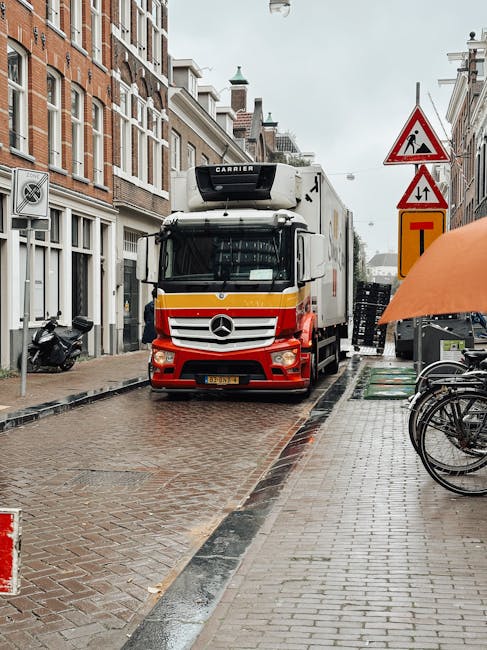
Moving in CR8 can be a bit of a puzzle. One minute you've got a perfectly normal house move on paper, the next you're staring at a narrow lane, a tight corner, a parked car halfway across the road, and a loading bay that may or may not actually be free. This CR8 Removals Guide: Narrow Lanes & Best Loading Bays is here to make that whole process easier, calmer, and a lot more predictable.
Whether you're moving from a flat near the station, a family home tucked down a quieter residential road, or a place with awkward access that makes drivers wince a little, the same principles apply: plan the access, choose the right vehicle approach, protect the property, and avoid rushing the loading stage. A good move is rarely about brute force. It's about smart sequencing.
Below, you'll find practical guidance on narrow streets, parking strategy, loading bay use, timing, equipment, and the little details that stop a move from going sideways. If you're comparing services too, you may also find it useful to look at our removals in Kenley, man and van support in Kenley, and house removals for local moves pages for the next step.
Why CR8 Removals Guide: Narrow Lanes & Best Loading Bays Matters
CR8 has a mix of residential roads, busier routes, flat access points, and areas where parking can become the main event rather than the background. That matters because a removal is not just about carrying items from A to B. It's about getting a vehicle close enough to load efficiently without blocking traffic, damaging kerbs, or adding unnecessary labour time.
Narrow lanes create a chain reaction. If a van cannot pull in comfortably, the team may need to park further away. That means longer carrying distances, more trips, more risk of damage, and more time spent exposed to weather or traffic. And let's face it, a sofa carried 40 metres down a tight road in the rain is nobody's idea of a smooth moving day.
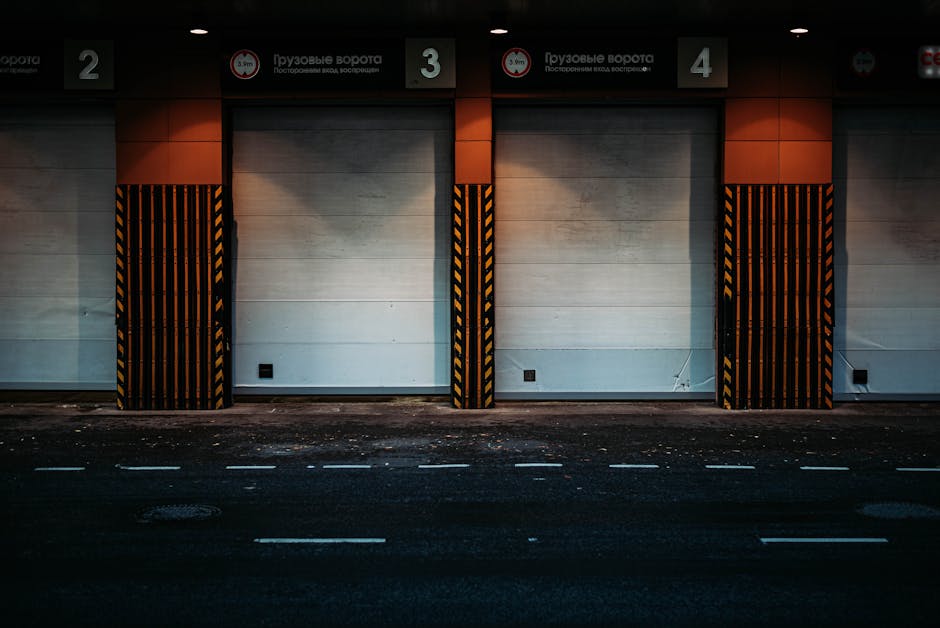
Loading bays matter for the same reason. A well-timed loading bay can make the difference between a controlled, tidy move and one that feels like a scramble. In built-up parts of CR8, the best loading bay is often the one that is easiest to access, easiest to leave, and least likely to clash with school runs, commuter traffic, or delivery windows.
There's also a trust factor here. Good removals planning shows that the job has been thought through. You can usually tell within five minutes whether a move has been properly scoped. The crew knows where to stop, how long the bay is likely to be needed, and whether extra protection is needed for stairwells, floors, or doorframes.
If you're still weighing up support options, our services overview is a sensible place to understand what can be arranged around access restrictions and local move planning.
How CR8 Removals Guide: Narrow Lanes & Best Loading Bays Works
The process starts before the van even arrives. A proper access check usually looks at the road width, turning room, parking availability, any height restrictions, and whether the property is on a slope or has awkward steps. In practice, that means planning around the site conditions rather than assuming the street will "just work out".
A typical local move follows a sequence like this:
- Review access details early. Check the postcode, the road layout, and any likely restrictions.
- Match the vehicle to the route. A smaller removal van may be the smarter choice for tight streets than a larger lorry.
- Select the loading point. Decide whether the front of the property, a nearby side road, or a loading bay gives the best balance of safety and speed.
- Plan the carry path. Look at door widths, gates, stairs, and the distance from the van to the property.
- Stage the items. Furniture is grouped so the team can load efficiently rather than constantly reorganising boxes and awkward items.
- Load with order. Heavy or bulky pieces go in first, then stacked and protected items, then smaller cartons and loose goods.
There's a simple reason this works: it reduces friction. Less time wandering for parking. Less time carrying items awkwardly. Fewer interruptions. The whole job feels better, and your belongings are handled with more control.
For moves with a lot of furniture, it can help to read up on safe handling too. Our guide to improving lifting efficiency and safety explains the practical side of moving heavy items without making a mess of your back or your walls.
Key Benefits and Practical Advantages
The obvious benefit is access. If you know how to work with narrow lanes and loading bays, you can often complete the job faster and more safely. But there are a few less obvious benefits too.
- Fewer handling risks. Shorter carry distances usually mean fewer knocks, less chance of dropping an item, and less strain on the team.
- Better time control. A planned loading bay keeps the move moving. That can matter a lot if you have a property handover, key collection, or building access window.
- Less neighbour friction. Nobody enjoys blocking a narrow road for longer than necessary. Good planning reduces complaints and awkward conversations.
- Cleaner loading. When loading is set up properly, items are staged in order and wrapped at the right time, rather than being shuffled around on the pavement. Not ideal, that.
- More accurate quotes. Once the access is understood, estimates are more realistic and easier to compare.
There's also a reassurance benefit. If you've moved before and had a bad experience, you'll know how quickly a small access problem can snowball. Planning for CR8's narrower roads and parking realities gives you one less thing to worry about on moving day.
And if you're moving out of a flat, access planning becomes even more important. Our flat removals page covers the kind of access challenges that often crop up in apartment moves.
Who This Is For and When It Makes Sense
This guide is useful for a wide range of moves, but it's especially relevant if your property or destination has limited frontage, shared parking, or a loading restriction that can't be ignored. If that sounds familiar, you're in the right place.
It makes sense for you if you are:
- moving from or to a narrow residential street in CR8
- using a van that may need to stop slightly away from the entrance
- living in a flat or maisonette with shared access
- planning a same-day move and need quick, efficient loading
- moving bulky furniture, a piano, or awkward items that need careful handling
- trying to avoid disruption to neighbours, staff, or customers
Truth be told, this kind of planning is also useful for smaller moves. People sometimes assume a one-bedroom move will be simple because there's less stuff. Sometimes yes. Sometimes no. A single flight of stairs, a narrow cul-de-sac, and a tight loading bay can create more hassle than a larger house move with decent access.
For students and short-notice moves, efficient access planning can be the difference between a tidy half-day move and a day that drags. If that's your situation, have a look at student removals in Kenley and same-day removals support.
Step-by-Step Guidance
If you want the move to run smoothly, the best approach is to think like a driver, a loader, and a property manager all at once. Slightly annoying? Maybe. Effective? Absolutely.
1. Measure access properly
Start with the basics: street width, any parked cars, overhead branches, width of the driveway or front path, and the space needed to open the van doors safely. If you can, take a few photos during the day and at the time you expect loading to happen. Morning light can hide issues that appear later, especially on shaded roads.
2. Confirm parking or loading options
Check whether there is a loading bay, a permit bay, a time-limited stopping space, or a nearby side street that works better than the front entrance. Don't assume the nearest bay is the right one. Sometimes the best option is one road over, where the van can sit without becoming an obstacle.
3. Choose the right vehicle size
For narrow lanes, a smaller removal van often makes more sense than taking a large vehicle and hoping for the best. A van that can turn safely and park close to the property is usually more efficient overall, even if it means a couple more runs.
4. Prepare the items for fast loading
Break the job into categories: fragile items, bulky furniture, boxed contents, dismantled items, and anything that needs special handling. Good packing matters here. A well-planned load is much easier when you've already followed a sensible packing plan for a house move.
5. Protect the route
Use floor protection, doorframe covers, and blankets where needed. This becomes even more important in tight access situations because the risk of brushing walls or catching corners increases when there's little space to manoeuvre.
6. Load in the right order
Heavy furniture first, then medium-weight items, then lighter cartons and fragile goods. This creates a stable cargo layout and reduces the temptation to repack everything at the roadside. Which, to be fair, nobody wants to be doing with a kettle in one hand and a mattress in the other.
7. Do a final access check before departure
Look back at the property, the pavement, and the bay. Make sure nothing has been left behind and the area is left tidy. A calm final check often prevents the most irritating mistakes.
Expert Tips for Better Results
There are a few small decisions that make a disproportionate difference. These are the bits that experienced movers tend to think about automatically, while everyone else discovers them the hard way.
- Use a loading bay with the shortest sensible carry, not just the closest one. Distance is only one factor. Safety and turning room matter too.
- Schedule the move outside peak school-run or commuter pressure where possible. A quiet 9:30 a.m. can be miles better than a noisy 8:15 a.m. attempt.
- Keep one person responsible for access decisions. If everyone is guessing where the van should go, delays creep in quickly.
- Wrap awkward furniture before it leaves the building. A hallway is not the ideal place to start wondering where the blanket tape went.
- Have a plan for rain. Even a short carry can turn messy if cardboard gets wet and a loading bay has no shelter.
A small human tip from the field: if a road looks tight in daylight, it often feels tighter once a van is actually there. That's not imagination. It's just the way sightlines, parked cars, and pressure all seem to shrink the space a bit.
If your move includes delicate items, it may also be worth reading about professional piano removals or our blog on why piano moving needs precision and expertise. Narrow access and heavy, valuable items do not mix casually.
Common Mistakes to Avoid
Most access problems are avoidable. Not all, but most. The trick is to recognise where people usually go wrong.
- Assuming the van can stop directly outside. In CR8, that may be true on some roads and completely impossible on others.
- Ignoring loading bay rules or time limits. A bay is useful only if you can use it properly and legally.
- Using a vehicle that is too large for the street. Bigger is not always better. Sometimes it just creates more stress and more shuffling.
- Leaving packing until the morning of the move. That's when access issues feel ten times worse, because everything else is already urgent.
- Underestimating the distance from van to front door. A long carry affects timing, labour, and how safely items can be handled.
- Forgetting nearby residents or businesses. If the route blocks a neighbour's gate or a shop delivery point, you may get pushback.
Another common miss is forgetting to declutter before moving day. If you're still sorting through items at the last minute, have a look at our decluttering guide. Fewer items usually means fewer trips, and fewer trips usually means less chance of access issues snowballing.
Tools, Resources and Recommendations
You do not need a warehouse of gear to handle a CR8 move properly, but the right tools make a big difference. The useful items are usually the boring ones, honestly.
| Tool or resource | Why it helps | Best used for |
|---|---|---|
| Measuring tape | Checks door widths, access gaps, and furniture clearance | Narrow hallways, tight stairwells, awkward corners |
| Furniture blankets and straps | Protects finishes and helps secure items in the van | Sofas, wardrobes, tables, and white goods |
| Floor protection | Reduces scuffs and dirt transfer | Entrances, corridors, flats, and communal areas |
| Box labels and inventory sheet | Makes loading and unloading much faster | House moves with multiple rooms and mixed item types |
| Parking or bay information | Helps you plan the best loading point in advance | Busy streets, timed bays, and permit areas |
For packing support, our packing and boxes page is a practical place to start. And if the move involves temporary storage while access or keys are being sorted, storage solutions in Kenley can help keep the timeline flexible.
Some households also need item-specific preparation. If you're moving a sofa into storage, you may find this guide on keeping your sofa fresh in long-term storage useful, while appliance owners might want to review safe freezer storage guidance. Small details, but they matter.
Law, Compliance, Standards, or Best Practice
For most household moves, the most relevant "compliance" issues are practical rather than complicated. You're usually dealing with parking permissions, road safety, access etiquette, insurance cover, and proper care for the property being moved from and to.
Here are the main areas to keep in mind:
- Parking and loading restrictions: Always check local signs, time limits, and any permit requirements before assuming a loading bay is usable.
- Traffic safety: The van should not create unnecessary obstruction. In narrow lanes, this means careful positioning and clear communication with the driver.
- Property protection: Best practice is to use protective materials where there is a realistic risk of damage, especially in communal spaces or on narrow stairways.
- Insurance and handling: A reputable removals provider should be able to explain how items are handled and what safety measures are in place. Our insurance and safety information gives a clear overview.
- Working responsibly: Ethical and fair business practices matter too. If that's important to you, our health and safety policy and modern slavery statement outline our approach to responsible operations.
The key point is simple: if there is any doubt about a loading bay, check it early. A ten-minute check can save an hour of uncertainty. Sometimes two. It's boring, yes, but the boring bit is usually the profitable bit.
If your move is tied to business premises, the same principles apply. You might also want to review office removals in Kenley for a more commercial version of access planning.
Options, Methods, or Comparison Table
There is more than one way to handle a CR8 move. The right method depends on the property layout, time pressure, and how much you're moving.
| Method | Best for | Pros | Trade-offs |
|---|---|---|---|
| Direct front-of-property loading | Quiet streets with enough turning room | Fastest carry, simplest staging | Not always possible in narrow lanes |
| Loading bay use | Town-centre or managed parking areas | Controlled stopping point, often close to the entrance | Time limits and signage must be respected |
| Side-street parking and longer carry | Restricted roads with no immediate stopping space | Flexible and often realistic | More labour and more time needed |
| Smaller van with multiple runs | Very tight access or low-clearance areas | Easier manoeuvring, less risk of getting stuck | Requires tighter scheduling and more trips |
There's no universal winner here. A smaller van is often the practical answer in CR8, but not always. If the job is a full household move with lots of furniture, it may still be better to combine access planning with a carefully timed loading bay so the load sequence is efficient.
Case Study or Real-World Example
Here's a realistic local scenario. A customer moving from a first-floor flat on a narrow residential road had assumed the van could stop outside the entrance. On the day, a contractor's vehicle was already parked nearby, and the road was tighter than expected. Not a disaster, but it could have become one.
Instead of forcing the issue, the team used a nearby loading bay a short walk away and positioned a smaller van there. The move involved several medium boxes, a bed frame, a wardrobe, and a sofa. Because the loading point was chosen carefully, the team could stage items in a sensible order, protect the common hallway, and avoid blocking neighbours' access. The whole thing felt controlled rather than rushed.
The interesting bit? The customer had worried that the longer carry would slow everything down badly. In practice, the organised loading point offset much of that. Once the route was clear and the sequence made sense, the job moved at a steady pace. Not flashy. Just effective.
That is usually the pattern with tight-access removals. The move doesn't need to be dramatic. It needs to be calm, organised, and realistic about the street in front of it.
Practical Checklist
Use this checklist before move day. It's the sort of list that feels a bit overcautious until you're halfway through the job and very glad you made it.
- Confirm both origin and destination addresses, including postcode access details
- Check for narrow lanes, dead ends, height restrictions, and turning space
- Identify the best loading bay or stopping point in advance
- Verify whether parking permits or time restrictions may apply
- Measure large items to make sure they fit through doors and corridors
- Label boxes by room and priority
- Separate fragile, valuable, and special-care items
- Prepare floor and door protection if access is tight
- Decide whether a smaller van would be safer and more efficient
- Keep keys, access codes, and contact numbers ready
- Plan for weather, especially rain or strong wind
- Clear the path from the property to the loading point
If you want your move to feel less chaotic, start with sorting and packing early. Our guide on moving-out cleaning can also help you leave the property in good shape, especially if you're working to a handover deadline.
Get a free quote today and see how much you can save.
Conclusion
CR8 removals are rarely difficult because of the items alone. More often, the challenge is the street, the access, the parking, and the way the whole job fits into a real neighbourhood with real constraints. That is exactly why narrow-lane planning and the right loading bay matter so much.
When you slow down long enough to check access, match the vehicle properly, and stage the load with care, everything becomes easier. The move feels more professional, the risk of damage drops, and you're not left improvising in the middle of a tight road with the clock ticking. There's a lot to be said for that.
If you're planning a move in CR8 and want a team that understands local access, careful loading, and sensible timing, it's worth taking the next step with confidence. Good removals planning is not glamorous. But it is the thing that saves the day, more often than not.